
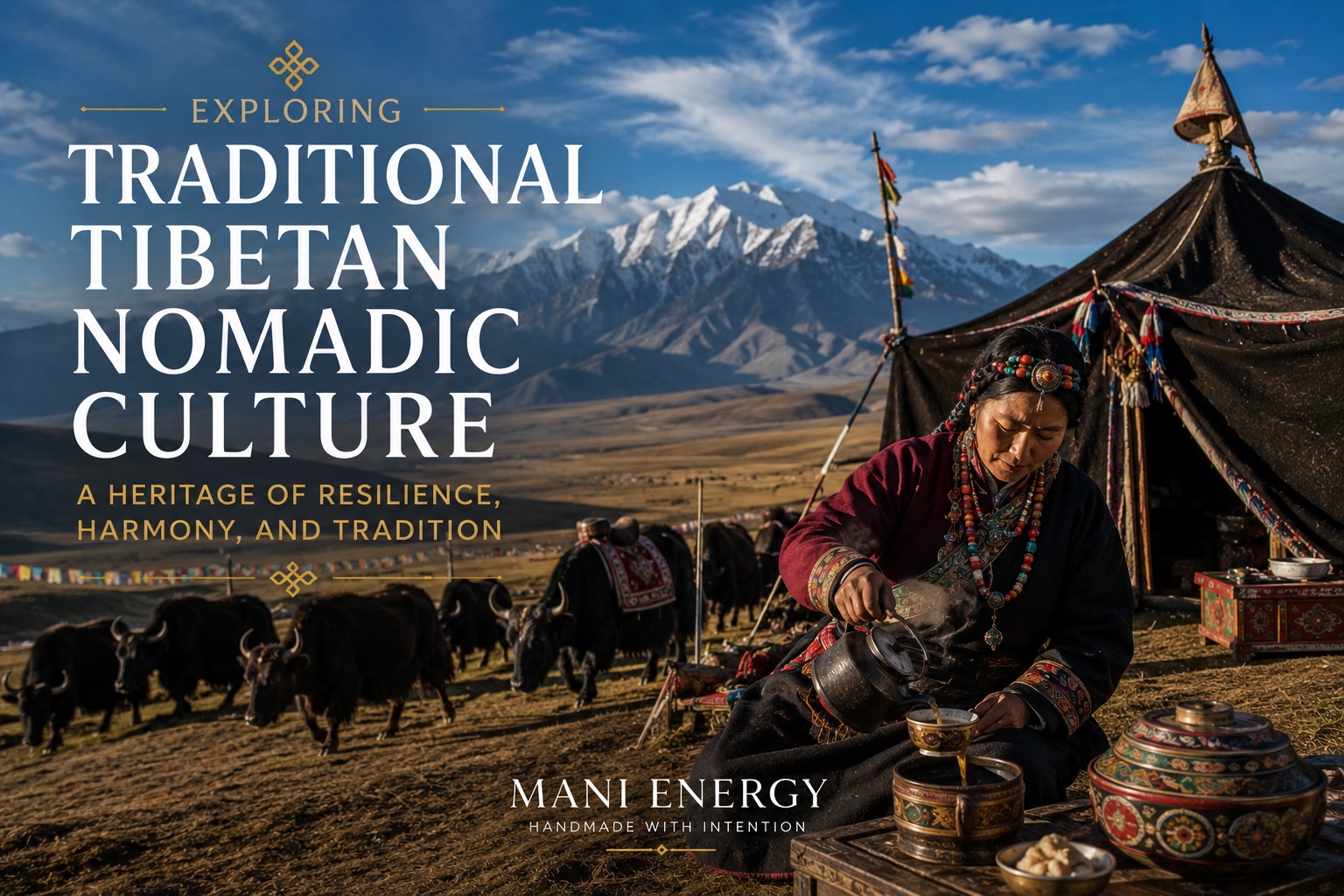
Exploring Traditional Tibetan Nomadic Culture
For centuries, nomadic communities have been an essential part of life across the Tibetan Plateau. Living among some of the highest and most remote landscapes on Earth, Tibetan nomads developed a way of life closely connected to nature and seasonal rhythms.
Their traditions continue to fascinate travelers, historians, and cultural enthusiasts around the world.
Life on the Tibetan Plateau
The Tibetan Plateau is often called the "Roof of the World."
At elevations exceeding 4,000 meters (13,000 feet), the environment is both beautiful and challenging. Nomadic families traditionally move with their livestock throughout the year, following seasonal grazing routes.
This lifestyle requires resilience, adaptability, and a deep understanding of the natural environment.
Homes Designed for Mobility
Traditional nomadic tents are designed to withstand strong winds, intense sunlight, and dramatic temperature changes.
These homes can be assembled and dismantled efficiently, allowing families to relocate as needed while maintaining a comfortable living space.
A Strong Sense of Community
Community plays an important role in nomadic life.
Families often cooperate during seasonal migrations, celebrations, and daily tasks. Hospitality remains a valued tradition, and visitors are frequently welcomed with warmth and generosity.
Traditional Crafts and Daily Life
Nomadic culture has inspired a variety of handmade crafts, including textiles, jewelry, and decorative objects.
Many designs reflect the landscapes surrounding the communities, incorporating natural colors, geometric patterns, and traditional artistic motifs.
Cultural Heritage in a Changing World
Modernization has transformed many aspects of life on the Tibetan Plateau, yet nomadic traditions continue to influence regional culture.
Through storytelling, craftsmanship, and community practices, elements of this heritage remain alive today.
Final Thoughts
Tibetan nomadic culture represents a remarkable example of human adaptability and cultural resilience.
Its traditions offer valuable insights into the relationship between people, nature, and community.
